
Seven everyday driving habits that could land motorists with fines of up to £1,000
From checking your phone in a drive-thru queue to letting dogs travel unrestrained, we reveal seven everyday driving habits that could land motorists in trouble.

More than one in three (37%) drivers are unable to answer key Highway Code questions correctly, prompting a warning from experts that several everyday habits many consider harmless could actually leave them facing fines, penalty points or prosecution.
shows that while most drivers know using a handheld phone behind the wheel is illegal, many are unaware that habits such as driving with a dirty windscreen, letting a dog travel unrestrained, or eating breakfast at the wheel could also land them in trouble.
Distractions also remain a concern on UK roads, with research showing 20% of drivers admit they check messages or notifications while driving, the highest level recorded since 2016.
With many motorists spending more time behind the wheel as routines settle back into place after the summer months, motoring experts are urging drivers to familiarise themselves with some of the lesser-known rules that could result in unexpected penalties.
The consequences can be significant, with some offences carrying penalties of up to £1,000, while drivers caught using a handheld phone could face a £200 fine and six penalty points.
here at First Response Finance, explains:
"Many drivers assume that if something feels sensible or low risk, it must be legal. But some of the driving habits that catch motorists out most often are things people do every day without giving them a second thought.
"Autumn is a particularly important time to pay attention because darker mornings, wet weather, and fallen leaves can make small mistakes much more dangerous. Many of these habits seem harmless in isolation, but when visibility is reduced or roads are busier, they can quickly become much bigger safety issues."
Seven surprising driving habits that could get motorists into trouble
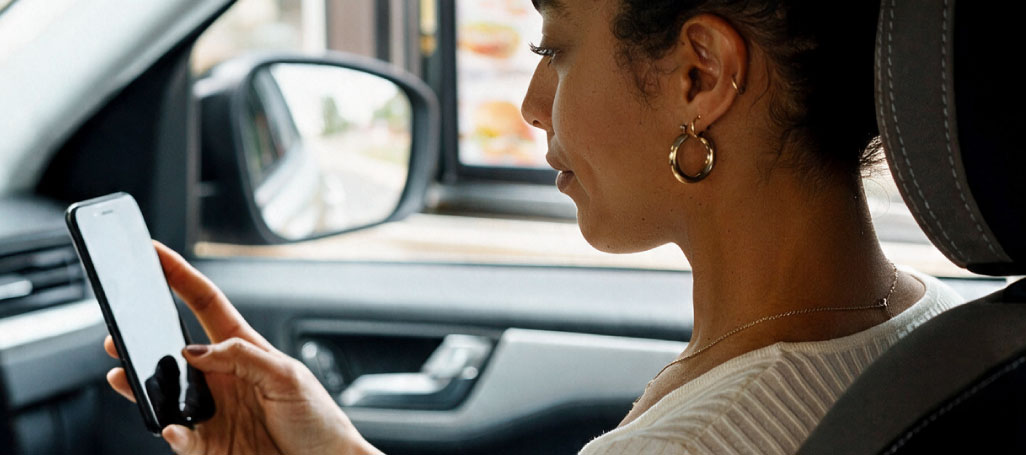
1. Using your phone incorrectly in a drive-thru queue 📱
Drive-thru queues can create confusion when it comes to mobile phone use, with many drivers unsure about what is and isn't allowed.
While the law allows drivers to make a contactless payment when the vehicle is stationary, businesses such as McDonald's advise customers to use their phone only for payment and then put it away.
The problem comes when drivers start checking messages, scrolling social media or reading notifications while waiting for their order. Despite the vehicle not actually moving, those activities are not covered by the contactless payment exemption can still be treated as illegal handheld phone use.
Potential consequence: £200 fine and six penalty points.
What should drivers do instead?
If you're paying with your phone, use it only for the transaction and put it away immediately afterwards. If you need to reply to a message, wait until you've safely parked.
2. Checking your phone at traffic lights or while queuing in traffic 🚦
A surprising number of drivers still think red lights create an exception to the phone rules. They don't. The same applies when you're queuing in traffic or waiting at temporary traffic lights.
If you're on a public road and holding and using your phone, you could still be committing an offence, even when your vehicle is stationary.
Potential consequence: £200 fine and six penalty points.
What should drivers do instead?
If something can wait until the journey is over, leave it until then. If it's genuinely urgent, find somewhere safe and legal to park before using your phone.
3. Driving with an obscured view 👀
Autumn brings rain, mud, fallen leaves, condensation, and low sunlight, all of which can quickly reduce visibility. Leaves trapped beneath windscreen wipers or piled around the base of the windscreen can be particularly easy to overlook.
Many drivers underestimate how much a dirty windscreen, fogged-up windows or even decorations hanging from the mirror can affect what they see. It only takes a small obstruction to hide a pedestrian, cyclist or hazard from view for a split second.
Low autumn sun can make the problem even worse, turning small smears, condensation or dirt into a serious visibility issue at exactly the moment you need to spot hazards ahead.
Potential consequence: up to £1,000 fine and potential penalty points if visibility is significantly impaired.
What should drivers do instead?
Before setting off, clear every window properly, remove any obstructions, and make sure you have a full view of the road ahead.
4. Letting your dog travel loose in the car 🐶
A loose dog can become a serious distraction in seconds, whether it climbs into the front seat, moves around the vehicle, or obstructs the driver's view.
Many people don't realise that an unrestrained pet could contribute to a careless driving offence if it affects your control of the vehicle. It can also become dangerous during sudden braking, putting both the animal and passengers at risk.
Potential consequence: careless driving penalties, including points, fines or further action if an unrestrained animal affects your control of the vehicle.
What should drivers do instead?
Use a harness, carrier, dog guard or another suitable restraint to keep both your pet and everyone else in the vehicle safe.
5. Eating large or two-handed food behind the wheel 🍔
There's no specific law banning drivers from eating while driving, but that doesn't make it risk-free.
Large burgers, wraps or anything requiring two hands can take your attention away from the road and reduce your control of the vehicle.
It's often the little things that catch drivers out. Taking your eyes off the road to deal with a dripping coffee, dropped pastry or awkward food wrapper can be enough to affect your concentration at the wrong moment.
Potential consequence: careless driving penalties, including points, fines or further action if your driving is affected.
What should drivers do instead?
If a meal needs two hands, it's probably best enjoyed when you're parked.
6. Driving with an obscured number plate 🚘
As roads become wetter during autumn and winter, number plates can quickly become covered in mud and grime.
Many motorists don't notice it until it's too late, particularly after driving on muddy country roads or through heavy rain. Yet, number plates must remain clearly visible and readable at all times.
A dirty number plate might seem like a minor issue, but it can make it difficult to identify a vehicle and could leave drivers facing an unexpected fine.
Potential consequence: a fine of up to £1,000 if your registration plate cannot be clearly read.
What should drivers do instead?
Give your plates a quick check whenever you clean your lights and windows.
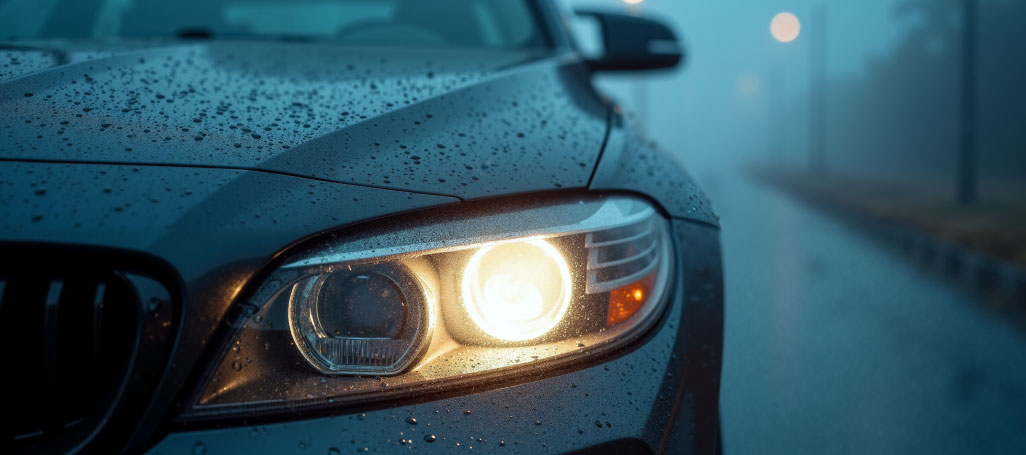
7. Flashing your headlights to tell another driver to go 💡
Many motorists see as a polite way of letting another driver pull out or proceed. However, Highway Code guidance says headlights should only be flashed to make another road user aware of your presence.
Using them to tell another driver what to do can create confusion if the situation is misread. If another road user assumes it's safe to proceed and an incident occurs, the situation can become far more complicated.
Potential consequence: if your actions contribute to an incident or affect your driving, you could face further investigation or action depending on the circumstance.
What should drivers do instead?
Instead of directing another driver, make your intentions clear through your positioning and let them make their own judgement about whether it's safe to proceed.
Most of these habits come from convenience rather than deliberate rule breaking. The problem is that many of them can reduce visibility, increase distractions or affect how quickly a driver can react.
A quick check of your vehicle, your surroundings and your driving habits before setting off could help you avoid an unnecessary fine, penalty points and make autumn journeys safer for everyone.
Sources
You may also like...

Jonathan | Sep 2026
Rear-facing vs forward-facing car seats: when should children make the switch?
Jonathan | Sep 2026
Rear-facing vs forward-facing car seats: when should children make the switch?