
Does parking near a house stop your car windows from freezing overnight?
Can parking next to a house or building stop your car windows from icing up? Find out whether where you park makes a difference and how to protect your car from frost overnight.

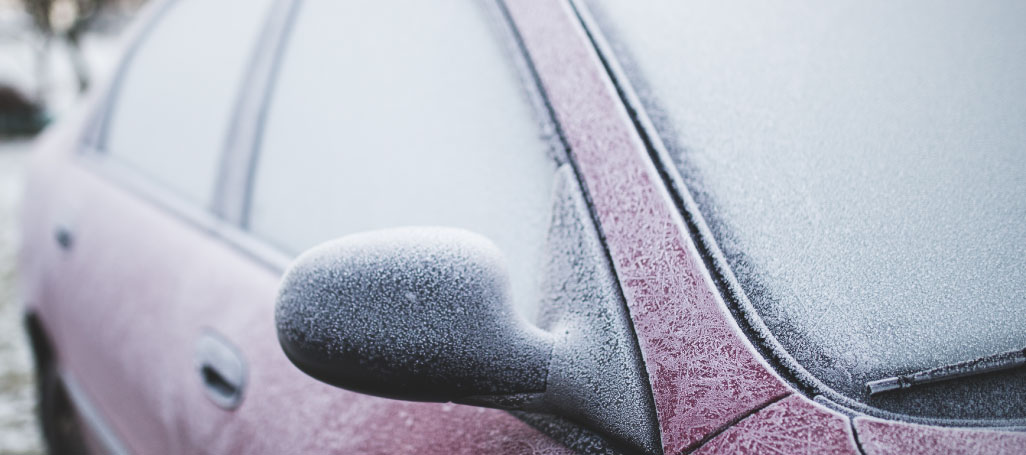
Waking up to frosty car windows can be frustrating, especially when you're in a hurry to get on the road. While a windscreen cover can help keep the ice away, some motorists believe that simply parking close to their house or a nearby building can make a difference.
But is there any truth to this, and can choosing a sheltered parking spot really help prevent frost from forming?
Does parking next to a house or wall prevent frost?
Parking close to a house or another solid structure can help reduce frost on your car windows.
Buildings and walls can provide shelter from the wind, while the heat released from a house can make the surrounding area slightly warmer. Hedges and fences can also offer some protection from the elements.
However, this doesn't mean your car will stay completely frost-free. The side facing away from the building will still be exposed to the cold, meaning frost can form on those windows.
here at First Response Finance, explains:
"Parking your car close to your house, or next to any solid structure like a brick wall or hedge, can reduce frost build-up on your windows, though it isn't a foolproof guarantee.
"On clear, still nights, car windscreens lose heat quickly, and that's what lets frost form. A wall or hedge shelters the car from the wind, and a house gives off a little warmth through its walls, so the area right beside it can be slightly milder.
"Whilst this can save you time scraping in the morning, the protection is usually one-sided. The windows facing the house may stay completely clear, while the exposed side still freezes over. In sub-zero temperatures or damp conditions, frost will still form regardless."
How can you stop your car windows from freezing overnight?
Parking close to a building might help, but there are other ways to reduce the amount of frost that builds up on your car overnight.
Here are some simple steps you can take:
Use a windscreen cover 🪟
A purpose-made windscreen cover can help keep frost and moisture off the glass, making it easier to get on the road in the morning.
Park in a sheltered spot 🅿️
If possible, choose a driveway, garage or covered parking space to protect your car from the elements.
Check the weather forecast ❄️
If temperatures are expected to drop overnight, you can prepare in advance by covering your windscreen or moving your car to a more sheltered spot.
Jonathan recommends combining sheltered parking with a windscreen cover for the best results.
"For the best results, pair strategic parking with a windscreen cover to trap warmth and keep moisture off the glass."
What's the safest way to de-ice your car windows?
Even if you take steps to protect your car overnight, there's no guarantee your windows won't freeze.
If you find frost or ice on your car in the morning, it's important to .
Jonathan shares his advice:
"If your car does ice up overnight, there is a safe way to de-ice it. Start by using a proper scraper and a good-quality de-icer spray to remove frost or ice from your windscreen. Let your car idle for a few minutes to warm up the engine but never leave it unattended. Finally, avoid pouring hot water on the glass, as the sudden temperature change can cause cracks."
Remember, you should make sure all your . You also need to be able to see clearly in every direction before setting off.
Parking close to your house or another building can help reduce frost on your car windows, but it isn't a guaranteed way to prevent them from freezing.
Combining sheltered parking with a windscreen cover can give you a better chance of avoiding a frosty start. And if ice does build up overnight, having a scraper and de-icer spray ready can help you get your car ready for the road safely.
Sources
You may also like...
Rosie | Nov 2026
EV tax changes: pay-per-mile charges explained

Jonathan | Oct 2026
Fuel duty freeze extended: what the Autumn Budget means for UK drivers
Jonathan | Oct 2026
Halloween drivers warned fancy dress mistake could lead to unlimited fines and driving ban
Rosie | Nov 2026
EV tax changes: pay-per-mile charges explained
Jonathan | Oct 2026
Fuel duty freeze extended: what the Autumn Budget means for UK drivers
Jonathan | Oct 2026