
EV tax changes: pay-per-mile charges explained
A new pay-per-mile tax for electric cars is coming in 2028. Find out how eVED will work, what it could cost, and what other changes are coming for EV drivers.

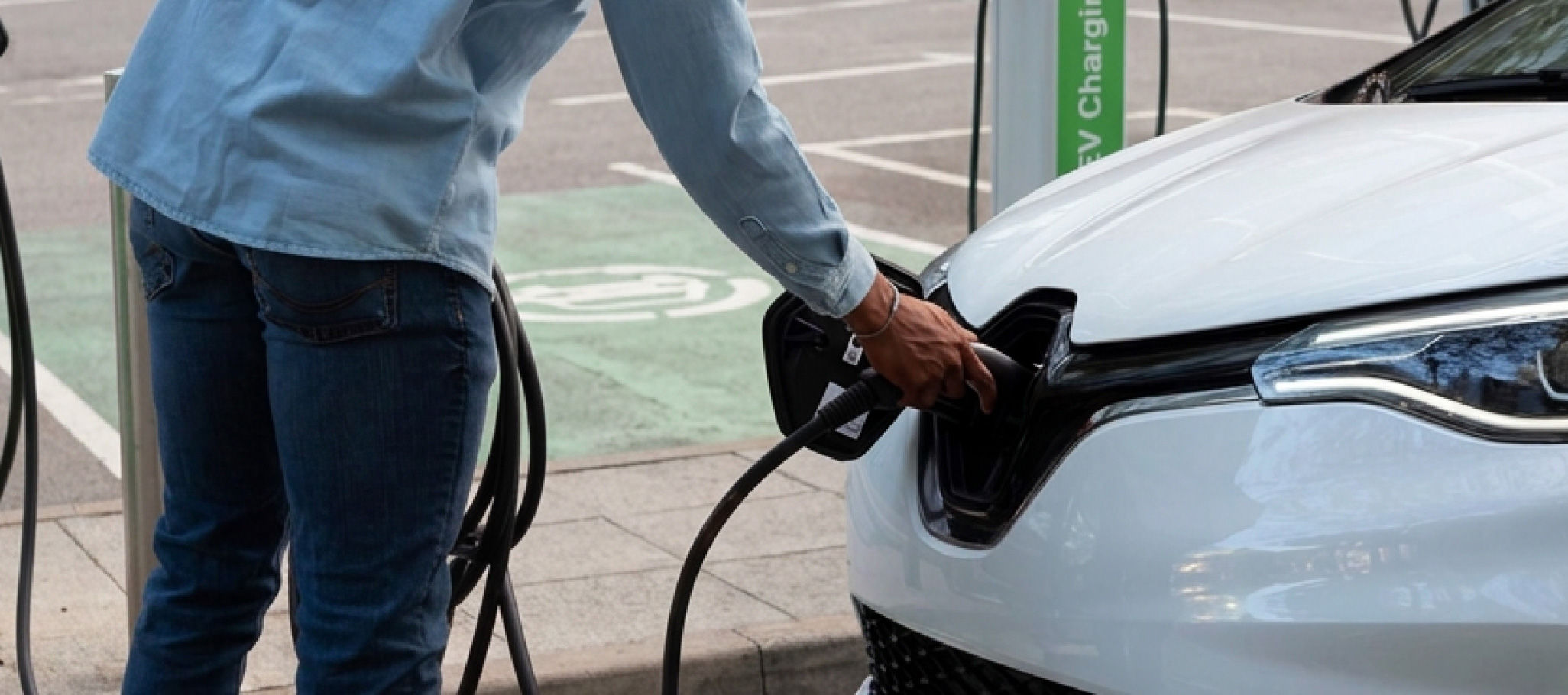
Pay-per-mile tax for electric cars: what drivers need to know
Electric vehicles (EVs) have become an increasingly common sight on UK roads, but the way they're taxed is changing.
From April 2028, drivers of electric cars and plug-in hybrids will face a new mileage-based tax known as Electric Vehicle Excise Duty (eVED).
So, how will the new pay-per-mile tax work, how much could it cost you, and what else is changing for electric car drivers? Here's what we know so far.
What is the new pay-per-mile tax for electric cars?
Electric Vehicle Excise Duty, or eVED, is a new tax based on the number of miles you drive.
It's being introduced because drivers of petrol and diesel vehicles contribute to government revenue through fuel duty on the fuel they buy. As more drivers move to electric vehicles, the amount generated through fuel duty is expected to fall.
The government says eVED is designed to address this by introducing a mileage-based charge for electric vehicles.
The on 1st April 2028 and will be charged in addition to standard Vehicle Excise Duty (VED).
How much will EV drivers pay per mile? 💰
When the scheme launches, the rates will be:
- Battery electric cars: 3p per mile
- Plug-in hybrid cars: 1.5p per mile
Hydrogen fuel cell cars will also be charged at 3p per mile. From the 2029/30 tax year onwards, the rates are set to increase in line with inflation.
That means an electric car covering 10,000 miles a year would initially face an eVED bill of around £300 a year, while a plug-in hybrid covering the same distance would pay around £150, before any future increases.
Here are a few examples:
| Annual mileage | Electric car | Plug-in hybrid |
| 5,000 | £150 | £75 |
| 8,000 | £240 | £120 |
| 10,000 | £300 | £150 |
| 12,000 | £360 | £180 |
These figures are based on the initial 3p and 1.5p rates and don't include standard VED or any future increases.
How will pay-per-mile tax work?
Despite the name, drivers won't receive a bill every time they make a journey.
When renewing their vehicle tax, drivers will provide their car's odometer reading and an estimate of how many miles they expect to cover during the following tax period.
The amount of eVED owed will then be calculated using that estimate. Drivers will be able to pay upfront or spread payments across the year.
Your actual mileage will be checked at the end of the tax period against your estimate. Existing mileage information, such as MOT records, may be used to help check that the figures provided are accurate.
If you've underestimated your mileage, you'll need to make up the difference. If you've overestimated it, the additional amount you've paid will be carried forward as credit.
Does this mean electric cars will become more expensive to run? 🚗
For many EV drivers, eVED will add another cost to factor into their annual motoring budget from 2028.
However, it's important to consider the overall cost of running an electric vehicle rather than looking at the new tax in isolation.
Charging costs, mileage, insurance, maintenance, and where you charge your vehicle can all affect how much an EV costs to run. For example, a driver who can regularly charge their car at home may have a very different experience from someone who depends primarily on public rapid charging.
So, if you're thinking about switching to an EV, it's worth looking at your likely total running costs and considering how you expect to use the vehicle.
Is the Electric Car Grant still available?
The introduction of eVED doesn't mean government support for electric cars has disappeared.
The Electric Car Grant was introduced in July 2025 to reduce the upfront price of eligible new electric cars, with discounts available depending on the vehicle and its eligibility.
If you're considering buying a new EV, it's worth checking whether the particular make and model you're looking at , rather than assuming every electric vehicle will receive the same discount.
What about the cost of charging an electric car? 🪫
Where you charge is another important consideration when working out the .
Home charging can often be a convenient option for motorists with access to a driveway or suitable off-street parking. Drivers who don't have access to home charging are more reliant on the UK's growing network of public charge points.
The government is continuing to invest in expanding public charging infrastructure, while measures have also been announced to make some .
However, the amount you pay can vary considerably depending on the type of charger and charging provider you use.
Will EVs still be worth considering?
The introduction of another motoring tax may understandably leave some drivers wondering whether switching to electric still makes financial sense.
There's no single answer because it depends on your circumstances.
Your annual mileage, access to home charging, electricity tariff, choice of vehicle, and typical journeys can all influence your running costs.
For example, at the proposed initial eVED rate, someone driving an electric car for 5,000 miles a year would pay around £150 in mileage-based tax. Someone covering 15,000 miles would pay around £450.
That's why comparing the complete cost of owning and running different vehicles is important when deciding whether an EV is right for you.
The new tax isn't due to take effect until 1st April 2028, and more practical information is likely to become clearer as time goes on.
But if you're planning to that you expect to keep beyond 2028, the new mileage charge is worth including in your calculations.
Ultimately, electric motoring is continuing to change. While EV drivers will face a new tax, developments in grants, charging infrastructure, and the electric car market mean there are plenty of other factors to consider before deciding what works best for you.
You may also like...
Jonathan | Oct 2026
Fuel duty freeze extended: what the Autumn Budget means for UK drivers

Jonathan | Oct 2026
Halloween drivers warned fancy dress mistake could lead to unlimited fines and driving ban

Jonathan | Oct 2026
Fuel duty freeze extended: what the Autumn Budget means for UK drivers
Jonathan | Oct 2026
Halloween drivers warned fancy dress mistake could lead to unlimited fines and driving ban