

Late for work and your car's frozen over? Avoid these four 'shortcuts' that could cost you up to £1,000!
We share the frosty morning habits that can cost drivers hundreds, from cracked windscreens to flat batteries, and the simple alternatives.

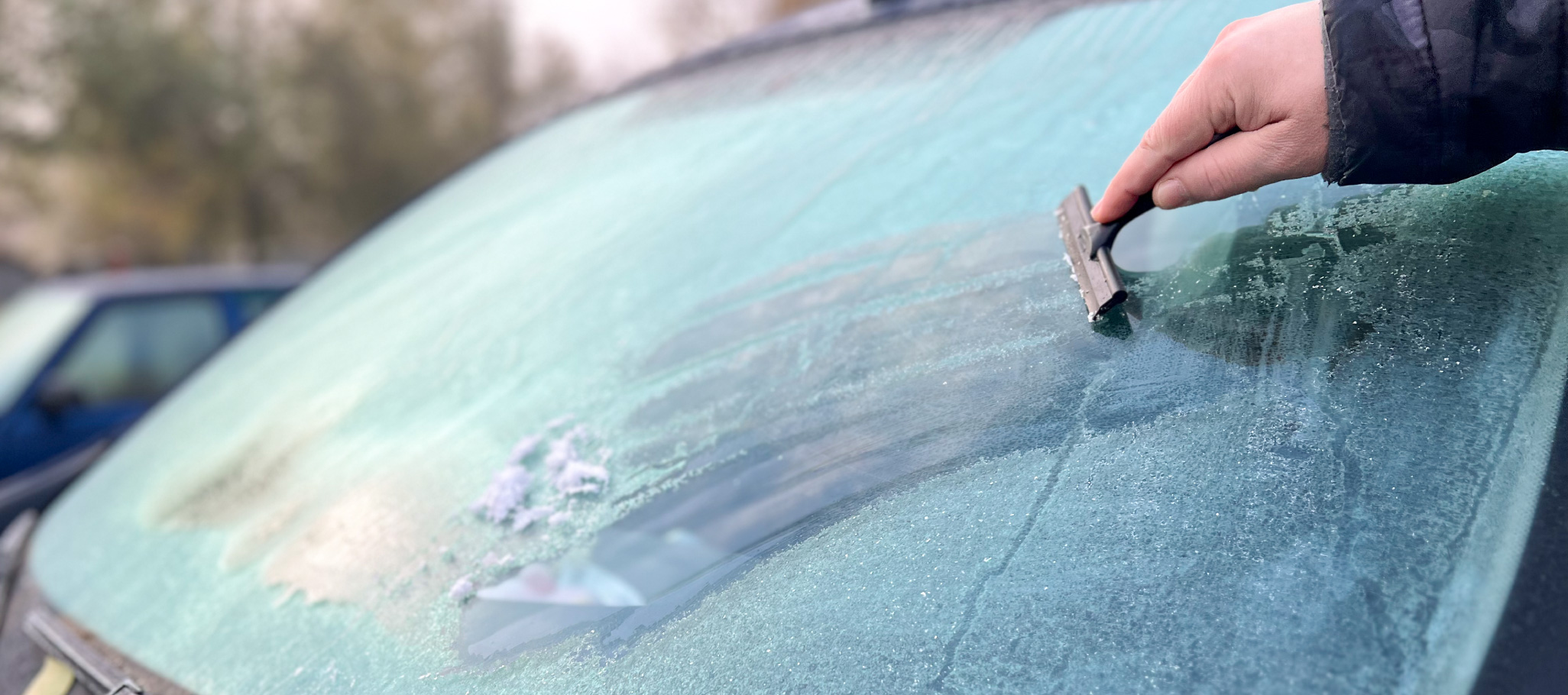
It's dark, it's freezing, and you're already running late. The windscreen is frosted over, and a kettle of hot water looks like the fastest way out of the door.
Most drivers will recognise the temptation. But a quick fix can quickly become an expensive one.
Kettle on the windscreen, a tiny gap scraped in the ice, the engine left running while you nip back in for a coffee: they all feel like time saved. In reality, they can leave you with a cracked screen, a fine of up to £1,000 or a car that's easy pickings for thieves.
We reveal which mistakes could cost drivers the most this winter, with simple alternatives.
Four cold-weather mistakes drivers should avoid
1. Pouring boiling water on a frozen windscreen 💦
It's one of the most common ways people try to speed up a frosty morning, and it's easy to see why. But glass expands the moment hot water hits it, then contracts again in the cold air, and that's enough to crack it, particularly if there's already a small chip. Even lukewarm water can cause problems. It can also refreeze on the screen, around the wipers and on your drive, which leaves you with more ice and a slip hazard outside your front door. A replacement windscreen can cost anywhere between £150 and £500.
A good-quality are all you need. Keep them somewhere easy to grab, like the door pocket, and put the heater and demister on while you work. Leave the wipers switched off too. If they've frozen to the glass, forcing them can tear the rubber or even blow a fuse, so free them gently by hand once they've thawed.
2. Driving before everything is properly cleared 👀
A small 'porthole' in the ice might get you moving sooner, but it , and it isn't enough under the Highway Code.
Rule 229 says you must be able to see, which means clearing every window and making sure your lights, number plates and mirrors are clear too. A roadside fine is typically around £60, but it can reach £1,000 if the case goes to court, plus three penalty points.
Don't forget the roof either. Snow can slide onto your windscreen when you brake or fall into the path of the vehicle behind, and the Highway Code says you must remove any that might fall off. LED headlights give off far less heat than older bulbs, so ice can build up and dim the beam without you realising. Clear the lot and give yourself a few extra minutes so you're not tempted to cut corners.
3. Leaving the engine running unattended while you defrost 🚗
Leaving the car running while you nip back in for a coffee might feel harmless, but it's exactly what opportunist thieves look for. A car with the keys in it and nobody around takes very little effort to drive away. On a public road, Highway Code Rule 123 says you must not leave a parked vehicle unattended with the engine running, and you could receive a £20 fixed penalty notice. Even on private land, an insurer could refuse to pay out if the car is stolen with the keys in it.
Stay with the car and use the time to scrape and de-ice. If you need to go back indoors, switch the engine off and take the key with you. You don't need to leave it idling for ages either, as once the glass is clear, driving off gently will warm the engine up faster than sitting still.
4. Ignoring signs of a weak battery 🪫
Flat batteries are one of the most common causes of winter breakdowns. Cold weather reduces how well a battery performs, and a cold engine needs more power to start, so one that's already tired can give up very suddenly. Most car batteries only last four to five years, so age is worth keeping an eye on. A car left unused for days in the cold can lose charge too, which is why call-outs tend to peak on Mondays after a weekend parked up.
Slow starting, dim headlights when the engine is idling or a are all signs it could be on its way out. Get it tested before it fails, particularly if it's more than four years old. Take it for a longer run every so often rather than only short journeys, and make sure the heater fan, heated seats and lights are off before you start the engine, so the battery isn't powering them at the same time.
Most of these mistakes happen when it's dark, you're short on time and the quickest fix feels like the sensible one. A few extra minutes and a bit of attention to the early warning signs can save you a lot of money, and a lot of hassle.
Sources
You may also like...
Rosie | Nov 2026
Does parking near a house stop your car windows from freezing overnight?
Rosie | Nov 2026
EV tax changes: pay-per-mile charges explained

Jonathan | Oct 2026
Fuel duty freeze extended: what the Autumn Budget means for UK drivers
Rosie | Nov 2026
Does parking near a house stop your car windows from freezing overnight?
Rosie | Nov 2026
EV tax changes: pay-per-mile charges explained
Jonathan | Oct 2026