
Headlight dazzle: Here's how to stay safe when driving at night
Bright headlights can make it harder to see the road ahead. Here's why dazzle can be worse in darker months and what drivers can do to reduce the risk of an accident.
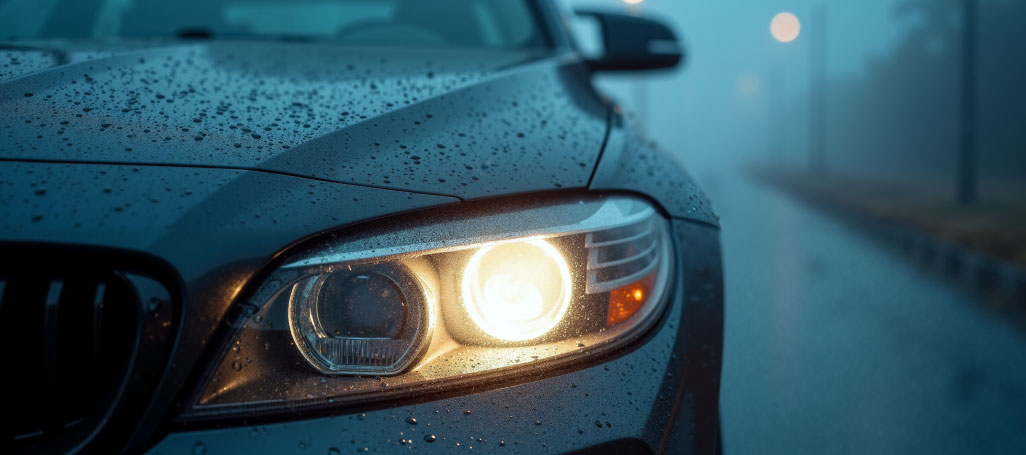
Headlight dazzle can be genuinely dangerous because it affects the few seconds drivers rely on most. If your vision is suddenly overwhelmed by bright lights, it can take longer to spot a pedestrian, cyclist, bend in the road, or a car braking ahead.
Why are drivers noticing headlight dazzle more? 🤔
There are a few reasons drivers may be noticing it more. LED headlights are often whiter and more intense than older halogen bulbs, while higher-riding vehicles can place the beam closer to another driver's eye line. In autumn and winter, the issue can feel even worse because darker commutes, wet roads, rain-smeared windscreens and reflections from standing water can all make glare harsher and harder to recover from.
How to react safely to headlight dazzle ⚠️
The biggest risk is the instinctive reaction. Looking straight into the glare, panicking, or braking suddenly can make the situation more dangerous, especially on faster roads or when another vehicle is close behind. The safer response is to look towards the left-hand edge of the road, keep your steering steady, and ease off the accelerator until your eyes are readjusted.
Could your headlights be causing dazzle? 👀
Drivers should also think about whether their own vehicle could be contributing to the problem. Headlights should be clean, correctly aligned, and dipped when needed. If other road users are flashing you regularly, or the road immediately in front of the car looks unusually bright, it may be a sign that your .
How to prevent headlight dazzle 🚘
With , headlights should be treated as part of , not just something to think about when a bulb fails. Clean lenses, a clear windscreen, working wipers, and properly adjusted beams can all make night driving safer. On rural or unlit roads, where the contrast between darkness and bright headlights can feel much sharper, drivers should reduce speed earlier, leave more room, and avoid staring into oncoming beams.
There are also some common mistakes that can make the problem worse. These include looking directly at oncoming headlights, driving with a dirty windscreen, using full beam for too long, fitting overly bright replacement bulbs, ignoring repeated flashes from other drivers, or assuming headlights do not need checking unless a bulb has gone. Small habits like dipping beams early, keeping glass clean, and getting alignment checked can make a real difference in the darker months.
Headlight dazzle is something many drivers will experience, particularly as the nights draw in and driving conditions become more challenging. While you can't control the headlights of other vehicles, being aware of the risks can help you respond calmly and give yourself more time to react. A little extra care behind the wheel can make a big difference when visibility is reduced.
You may also like...

Jonathan | Sep 2026
Rear-facing vs forward-facing car seats: when should children make the switch?

Jonathan | Sep 2026
Seven everyday driving habits that could land motorists with fines of up to £1,000
Jonathan | Sep 2026
Rear-facing vs forward-facing car seats: when should children make the switch?
Jonathan | Sep 2026