
The unwritten rules of driving in France: what drivers need to know
From tailgating and overtaking to differences in road etiquette, here's why driving in France can feel very different for UK motorists and how to stay safe behind the wheel.

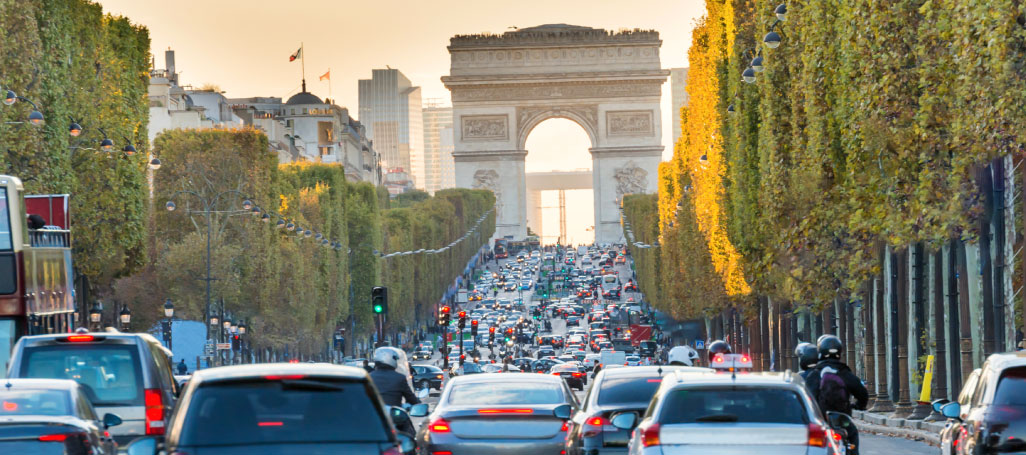
What British drivers should know before driving in France
Every year, thousands of British motorists take to French roads for holidays, road trips, and family getaways. While the road signs, speed limits, and driving laws may be easy enough to learn, it's often the unwritten rules of driving that catch people off guard.
From drivers who seem more willing to overtake to vehicles that follow more closely than many UK motorists are comfortable with, road etiquette in France can feel noticeably different. Understanding these differences can help make driving abroad a less stressful experience.
Here's what British motorists should know about French driving etiquette, how to respond safely to more assertive road users, and which habits are best left behind when it's time to head home.
What often catches British motorists out in France? 🤔
One thing that can catch British motorists out when driving in France is that road etiquette can feel more assertive than they're used to at home. Drivers may find themselves being overtaken more quickly on rural roads, encountering vehicles that follow closely behind, or feeling under pressure to move over sooner than they would in the UK.
British drivers are often more likely to interpret that behaviour as aggressive, whereas in some situations it may simply reflect different driving norms or expectations around road positioning and overtaking. The important thing is not to take it personally or allow another driver's behaviour to influence your own decisions that you're uncomfortable with. If another driver is following closely, stay calm, maintain a safe and consistent speed and focus on your own driving rather than reacting to theirs.
Do British drivers react in the wrong way to bad driving? 🤯
A common mistake is allowing another driver's behaviour to dictate your own. Whether you're driving in France, the UK or anywhere else, responding to tailgating with sudden braking, aggressive gestures or attempts to 'teach someone a lesson' usually makes the situation worse.
Our recent found tailgating is the single biggest cause of frustration for UK drivers, with one in three (33%) saying it's their biggest trigger behind the wheel. But it's important not to let that frustration affect your judgement. The safest response is usually the least emotional one.
What habits should not be brought back to the UK? 🚫
Perhaps the biggest habit drivers should avoid bringing back home is becoming too comfortable with close following distances or feeling pressured to keep up with the pace of the vehicle behind them.
French roads can sometimes feel faster-paced, particularly on rural routes, but UK drivers should remember that maintaining a safe gap is one of the simplest ways to reduce risk. Creating space gives you more time to react, improves visibility, and reduces the pressure that can quickly build when drivers start responding to each other's behaviour.
Drivers can sometimes be surprised by how different road etiquette is interpreted from country to country. The key thing is not to mirror behaviour that makes you uncomfortable. Whether another driver is impatient, following closely, or driving more assertively than you're used to, staying calm and maintaining safe distances is almost always the safest response.
The best approach is to treat driving abroad as an opportunity to adapt to a different environment, not adopt every local habit. Good driving etiquette is less about who has priority and more about being predictable, creating space and avoiding unnecessary pressure on other road users. Our recent research found more than at least once a month, which shows how quickly frustration can build when drivers start reacting to each other rather than focusing on the road ahead.
You may also like...

Jonathan | Sep 2026
Rear-facing vs forward-facing car seats: when should children make the switch?
Jonathan | Sep 2026
Seven everyday driving habits that could land motorists with fines of up to £1,000
Jonathan | Sep 2026
Rear-facing vs forward-facing car seats: when should children make the switch?
Jonathan | Sep 2026
Seven everyday driving habits that could land motorists with fines of up to £1,000