
Drivers warned school run "quick stop" mistake could put children at risk and lead to £130 fines this September
Discover seven school gate mistakes that could leave drivers out of pocket this autumn, as councils expand 'School Street' schemes and increase enforcement around schools.
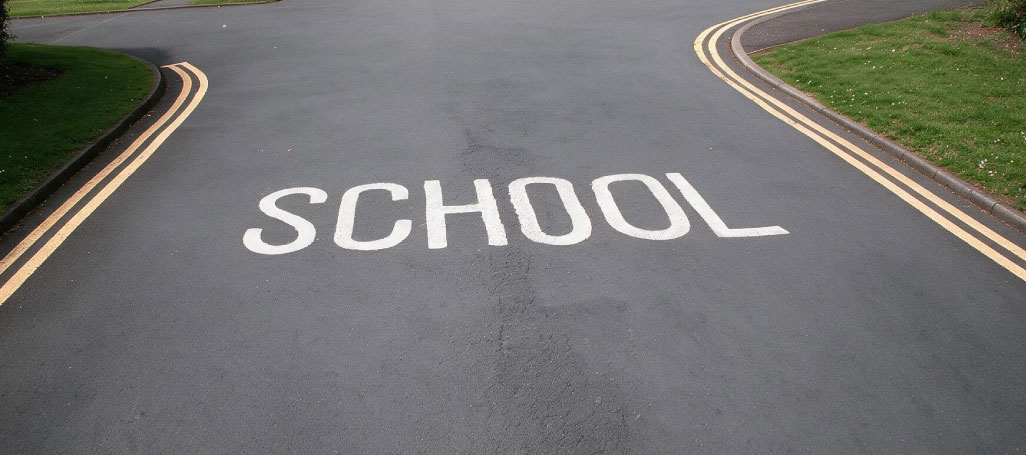
As pupils return to school this September, drivers dropping their children off are being warned that school gate restrictions are becoming more closely enforced in many areas, with drivers entering restricted 'School Streets' in some parts of the country facing fines of up to £130.
The warning comes as local authorities look to tackle congestion and improve safety outside schools during busy drop-off and pick-up times. In March 2026, Leeds introduced Automatic Number Plate Recognition (ANPR) camera enforcement at two School Streets, while North Lincolnshire announced in July that parents who stop on double yellow lines and leave their vehicle to walk a child to the gate will now face fines.
Jonathan, motoring expert here at First Response Finance, said:
"According to the Department for Transport, 43% of trips to and from school for children aged five to ten in England were made by car in 2024, along with 30% of trips for children aged 11 to 16, meaning the changes could affect a significant number of families unaware of the new rules as children return to school.
"The school run is stressful for a lot of families, especially at the start of term when routines are changing again. But being in a rush will not usually protect you if you stop somewhere you should not, block visibility, or drive into a restricted street.
"A lot of the rules outside schools are designed to keep children visible and give families a safer space to cross. Even a short stop can create a blind spot, so drivers should treat school entrances as places to keep clear, not places to squeeze into for convenience."
Seven school run mistakes drivers should avoid
1. Stopping on yellow zig-zag lines "just for a minute" 🚫
Yellow zig-zag markings outside schools are one of the rules parents most often underestimate. If there's an upright sign showing that stopping is prohibited at certain times, you must not stop there to pick up or drop off children, even briefly.
The key point is that this isn't the same as ordinary parking. The restriction can include stopping to let someone out, because the space needs to stay clear for visibility. If you're tempted to stop because the gate is only a few steps away, it's better to park legally further along and walk back.
2. Assuming double yellow lines allow a brief school drop-off 🅿️
Drivers may assume they can stop on double yellow lines for a few minutes, particularly if they're only walking a child as far as the gate. However, the exact position will depend on the restriction, the circumstances, and any additional controls in place.
North Lincolnshire Council, for example, clarified ahead of the new school term that parents and carers who stop on double yellow lines and leave their vehicle to accompany a child into school will now be fined.
This shows why drivers should not rely on what may previously have been tolerated. They should check the local rules and nearby signs, and avoid leaving their vehicle on waiting restrictions.
3. Ignoring School Street-style restrictions near the gates 🚸
School Streets are roads outside or near schools where motor traffic may be temporarily restricted at drop-off and pick-up times. They're usually used to reduce congestion and make the area safer for children walking, cycling, or crossing nearby.
The rules will normally be shown on signs near the road entrance, but they can be easy to miss if you're rushing or following the same route you used last term. If your vehicle is not exempt, driving into the road during restricted times can still lead to a penalty.
The common mistake is thinking you're fine because you are not parking. A School Street restriction may prohibit an unauthorised vehicle from entering the road at all during the signed hours, although exemptions can apply and will vary by scheme.
Some councils are also moving towards camera-based enforcement. Leeds City Council introduced ANPR cameras at two existing School Streets in March 2026, with monitored footage used to verify potential appeals.
4. Leaving the engine running while you wait 🔑
Idling outside school is another easily made habit that can catch drivers out. If you're parked and waiting, switch the engine off rather than leaving it running while you check messages, wait for the bell, or keep the car warm.
Aside from the possible penalty, idling adds to pollution right where children are walking in and out of school. If you know you're likely to be waiting, arrive later, park away from the gate, or turn the engine off as soon as you stop.
5. Blocking driveways, pavements or visibility lines 🤚
A space isn't automatically safe or legal just because you can physically fit the car there. Parking too close to a junction, stopping opposite school zig-zags, mounting the kerb, or blocking a resident's driveway can all create problems, particularly when children are crossing between parked cars.
A good rule is to ask whether a child, parent with a buggy, wheelchair user, or cyclist could still move safely around your car. If the answer is no, choose another spot. Being close to the gate is not worth creating a hazard.
6. Forgetting young drivers have the same school run responsibilities 🚗
Older pupils driving to sixth form or college still need to follow the same rules as parents. should check zig-zags, permit signs, dropped kerbs, and bus stops before stopping near the gates.
If are being picked up for lessons after school, parents and instructors should also agree a legal meeting point away from the entrance, rather than blocking the busiest part of the road.
7. Relying on what other parents are doing 👀
Copying the cars around you is one of the quickest ways to get caught out. If other parents are making the same common mistake by stopping on markings or waiting on corners, it doesn't mean it is allowed.
Check the signs yourself and choose a safe place to park and walk. A few extra minutes is better than risking a fine or blocking a child's view of the road.
No one wants the school run to take longer than it needs to, but these rules are there for a reason. A few extra minutes of walking is better than , blocking visibility, or making the road outside school more dangerous for children.
Sources
You may also like...

Jonathan | Sep 2026
Rear-facing vs forward-facing car seats: when should children make the switch?
Jonathan | Sep 2026
Seven everyday driving habits that could land motorists with fines of up to £1,000
Jonathan | Sep 2026
Rear-facing vs forward-facing car seats: when should children make the switch?
Jonathan | Sep 2026
Seven everyday driving habits that could land motorists with fines of up to £1,000