
Drivers warned low autumn sun could be putting them at risk
With darker evenings and challenging autumn conditions approaching, motorists are being urged to rethink common driving habits that could put them at risk. Discover seven simple changes that could help you stay safe on the road this season.

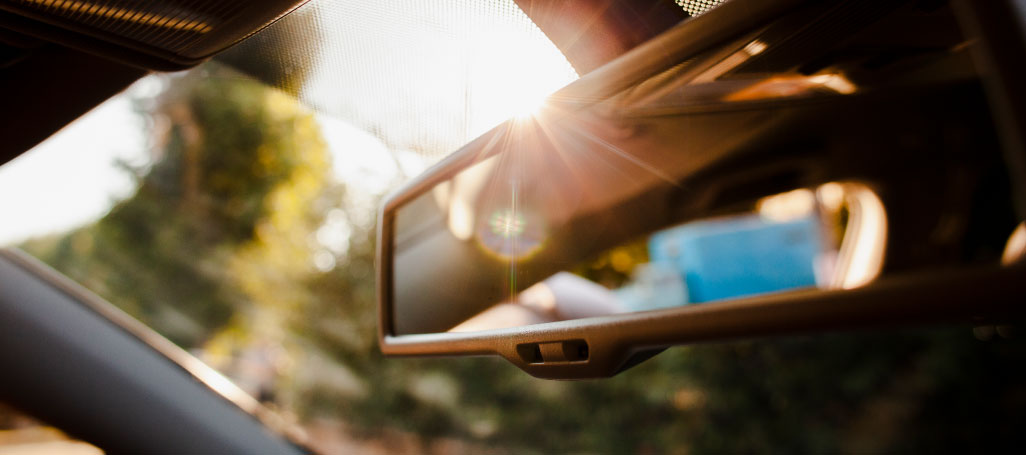
Drivers are being warned to take extra care with low autumn sun this month, with figures showing sun dazzle has been a factor in around one in 33 reported road incidents.
October can be a particularly awkward time for visibility, as the sun sits lower in the sky during busy commute times and is more likely to shine directly into drivers' eyes or reflect off wet roads, windscreens, and other vehicles.
It comes at a tricky point in the season, as low sun glare is likely to remain a key issue in the run-up to the clocks going back on 25 October, after which darker evening journeys and increasingly poor weather will bring a fresh set of challenges, from wet roads to reduced visibility.
here at First Response Finance, comments:
"Autumn can catch drivers out because conditions can shift quickly from one journey to the next. Low sun is the immediate issue to watch, but once the clocks go back, darker evenings and poorer weather will quickly become part of everyday journeys too.
"That's why small checks and sensible adjustments now can make a real difference, whether that means cleaning your windscreen, leaving more space in poor conditions or making sure your lights are being used at the right time."
Seven autumn driving habits motorists should rethink
1. Driving into low sun with a smeared windscreen ☀️
A dirty windscreen is one of the quickest ways to make low sun worse. Smears, dust, fingerprints and residue on the inside of the glass can scatter the light, which can turn bright sun into a blinding haze at exactly the wrong moment.
Drivers should clean both the inside and outside of the windscreen before regular autumn journeys, not just when it looks visibly dirty from the outside. It's also worth checking washer fluid and wiper blades, because worn blades can leave streaks that make glare even more distracting once the sun hits the glass.
2. Waiting too long to slow down when dazzled 👀
If the sun suddenly hits your eyes, the safest response is not to keep driving at the same speed and hope your vision clears. Ease off the accelerator, leave more space from the vehicle in front and be prepared to stop somewhere safe if you cannot see properly.
This matters most on roads where hazards can appear quickly, such as near junctions, schools, crossings and parked cars. Low sun can hide brake lights, traffic signals and pedestrians, so drivers should treat dazzling glare in the same way they would fog or heavy rain - reduce speed and give themselves more time to react.
Keeping a pair of suitable sunglasses in the car can also help, but they shouldn't be used as an excuse to drive faster than the conditions allow. If you're still struggling to see, the issue is your visibility, not your sunglasses.
3. Forgetting wet roads can double stopping distances 🌧️
Autumn rain can make familiar roads feel very different. The Highway Code warns that stopping distances in wet weather will be at least double those required on dry roads, because tyres have less grip.
That extra distance becomes even more important if glare is also affecting your vision. If you're following too closely and the driver ahead brakes suddenly, wet roads and reduced visibility leave you with far less room for error.
Drivers should start leaving a bigger gap as soon as the roads are wet, not only when conditions become extreme. Spray from other vehicles can also make it harder to see and be seen, so dipped headlights may be useful even before full darkness sets in.
Avoid sudden braking or sharp steering where possible, especially on bends, roundabouts and roads covered with wet leaves. Smooth inputs give your tyres the best chance of maintaining grip.
4. Relying on automatic lights in gloomy weather 💡
Automatic lights are useful, but drivers should not assume they always react exactly when needed. In mist, spray, heavy rain or dull autumn conditions, your vehicle may still be less visible to others even if you feel you can see the road ahead.
Use dipped headlights when visibility is reduced and remember that daytime running lights often don't illuminate the rear of the vehicle. That means drivers behind may struggle to see you clearly in spray, fog or fading light if you have not switched your lights on properly.
5. Using full beam at the wrong time 🚘
As evenings get darker, drivers may be using main beam more often on rural or poorly lit roads. The mistake is leaving it on when another road user is approaching or switching it back on too soon after a vehicle has passed.
Full beam can dazzle drivers, cyclists, motorcyclists and horse riders, particularly on wet roads where light reflects more strongly. Dip your headlights in good time and be aware that the other person may already be dealing with glare from the road surface, streetlights or vehicles behind you.
6. Putting off basic visibility checks ✅
Autumn is a good time to check the parts of the car that help you see and be seen. That includes headlights, brake lights, indicators, number plate lights, wiper blades, screen wash and tyre condition.
Don't wait until the first frosty morning or heavy downpour to find out a bulb has failed or the wipers are smearing the screen. These checks take minutes, but they can make a real difference when conditions change quickly.
7. Driving tired as the evenings get darker 💤
Darker evenings can make routine journeys feel more tiring, particularly for drivers commuting home after work. Low light, glare from headlights and poor weather all increase the level of concentration needed behind the wheel.
If you're already tired, don't rely on coffee, music or opening a window as a long-term fix. Build in a break, share the driving where possible and avoid setting off late if you know you're likely to be fatigued. Tired drivers are slower to spot hazards, and autumn conditions give you less margin for delayed reactions.
The safest autumn drivers are the ones who adapt early. You don't need to wait for snow, ice or the clock change to start thinking differently about visibility and stopping distances.
A clean windscreen, working lights, extra space and a slightly slower approach can make ordinary journeys much safer. If the road, weather or light levels change, your driving should change with them.
Sources
You may also like...

Jonathan | Sep 2026
Rear-facing vs forward-facing car seats: when should children make the switch?
Jonathan | Sep 2026
Seven everyday driving habits that could land motorists with fines of up to £1,000
Jonathan | Sep 2026
Rear-facing vs forward-facing car seats: when should children make the switch?
Jonathan | Sep 2026
Seven everyday driving habits that could land motorists with fines of up to £1,000