
Motorbike MOTs almost triple as summer riders return to roads
As bikers return to the roads for the summer, leaving MOTs and maintenance checks too late could put riders at risk before they even set off! Read this blog to find out what other mistakes should be avoided.
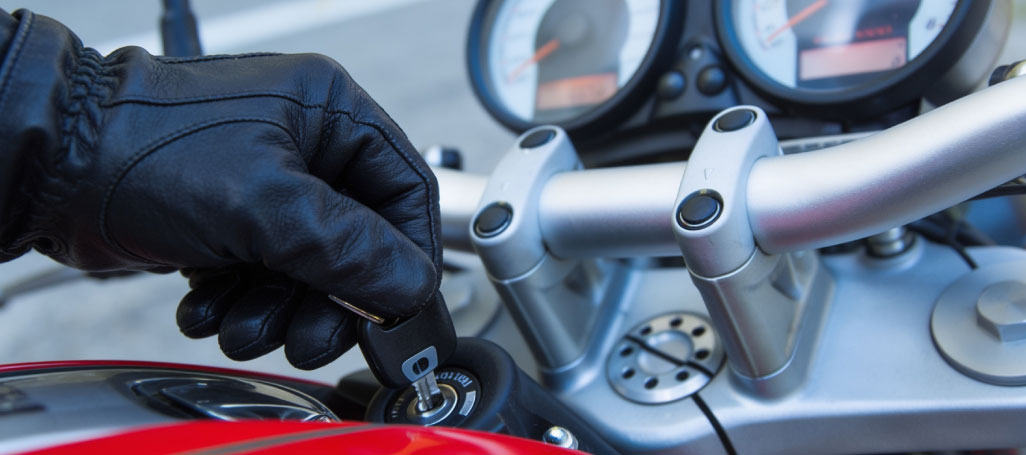
With summer riding season upon us, motorcyclists are being warned to check their MOT and basic motorbike safety before heading out, as new figures suggest garages could be much busier now more riders are getting back on the road.
Official DVSA data shows motorcycle MOT tests almost tripled from winter to spring and early summer last year, rising from 133,184 between October and December to 382,167 between April and June. In simple terms, this means hundreds of thousands more riders were getting their motorbikes checked as the weather improved.
Nearly 30,000 of those spring and early summer motorcycle MOTs failed first time, suggesting many motorbikes needed repairs or extra checks before they were safe and legal to ride. With July expected to bring even more warm weather, longer journeys and more weekend rides, experts say leaving an MOT or maintenance check until the last minute could mean delays, unexpected repair bills or riding a motorbike that isn't roadworthy.
5 Summer motorbike mistakes riders should avoid
1. Leaving your MOT until the day you want to ride 🗓️
One of the biggest mistakes riders make in summer is waiting until the first sunny weekend to check whether their MOT is still valid. If your motorbike has been off the road for months, it's very easy to assume everything is fine, only to realise the certificate has expired or the motorcycle needs work before it can pass.
The safer approach is to check the MOT date before you plan a ride and book early, particularly during busier riding periods. An MOT is not just admin - it's a basic roadworthiness check covering areas such as brakes, steering, lights, tyres, suspension, structure, and noise. Leaving it late can mean missing a fault that affects your safety, or ending up unable to ride legally when the weather turns.
2. Assuming a quick look over the motorbike is enough after winter
A motorcycle that's been sitting still can still develop problems. Tyres can lose pressure, brakes can bind, the chain may need adjustment or lubrication, lights can fail, and the battery may be weaker than expected. These are all things that can make a summer ride more dangerous, especially if the first journey is a longer trip or a fast road.
Before getting back on the road, riders should give themselves time to check the basics properly: tyre condition and pressure, tread, brakes, lights, indicators, mirrors, horn, chain or belt, fluid levels, and whether anything feels loose or unusual. If something doesn't feel right, get it looked at before riding rather than hoping it settles once you're moving.
3. Riding in summer clothing instead of protective kit 🏍️
Hot weather can tempt riders into lighter clothing, but that can be a serious mistake. A helmet is a legal requirement, but gloves, strong boots, and suitable protective clothing can make a huge difference if a rider comes off the motorbike. Even a short low-speed journey can cause serious injuries if skin is exposed.
Summer kit doesn't have to mean being uncomfortable. Ventilated jackets, proper motorcycle gloves, and protective trousers can help riders stay cooler without giving up basic protection. Riders should also check that visors and eye protection are clean and not scratched, as bright sunshine and glare can quickly reduce visibility.
4. Forgetting that drivers may not have seen you
Summer often means busier roads, more day trips, and more drivers who may not be used to sharing the road with motorbikes. One of the most important habits for riders is not assuming they have been seen, particularly at junctions, roundabouts, and when filtering through slow-moving traffic.
The Highway Code advises motorcyclists to make themselves as visible as possible from the front, rear, and side. Bright or reflective clothing, a clean visor, working lights, and careful road positioning can all help, but riders should still ride defensively and leave enough space to react if another road user misjudges their speed or distance.
5. Ignoring insurance small print and legal basics 📄
Insurance problems can happen when riders make assumptions. A motorbike must be insured to be used on the road, and if it isn't roadworthy, has no valid MOT when one is required, or is being used outside the terms of the policy, that can create serious issues if there is a crash or claim.
Riders should check their MOT, tax, insurance, licence entitlement, and any policy conditions as soon as possible before they want to ride. That includes making sure modifications are declared, pillion cover is understood, and the motorbike is only used for the purpose covered by the policy, such as commuting or social riding.
Summer is when a lot of riders get excited to be back out on two wheels, but it's also when simple mistakes can catch people out. Checking the motorbike, checking the paperwork, and taking a cautious approach on the road can help riders enjoy the season without putting themselves, their licence, or their insurance at unnecessary risk.
For more information on our product, see our page 👈
Sources
You may also like...

Jonathan | Oct 2026
Halloween drivers warned fancy dress mistake could lead to unlimited fines and driving ban


Jonathan | Sep 2026
Rear-facing vs forward-facing car seats: when should children make the switch?

Jonathan | Oct 2026
Halloween drivers warned fancy dress mistake could lead to unlimited fines and driving ban
Jonathan | Sep 2026
Rear-facing vs forward-facing car seats: when should children make the switch?