
Drivers warned as 33°C heat raises risk of costly car damage, from £100 callouts to £1,000 repairs
As temperatures climb across the UK, drivers are being urged to watch for the early warning signs of heat-related trouble.
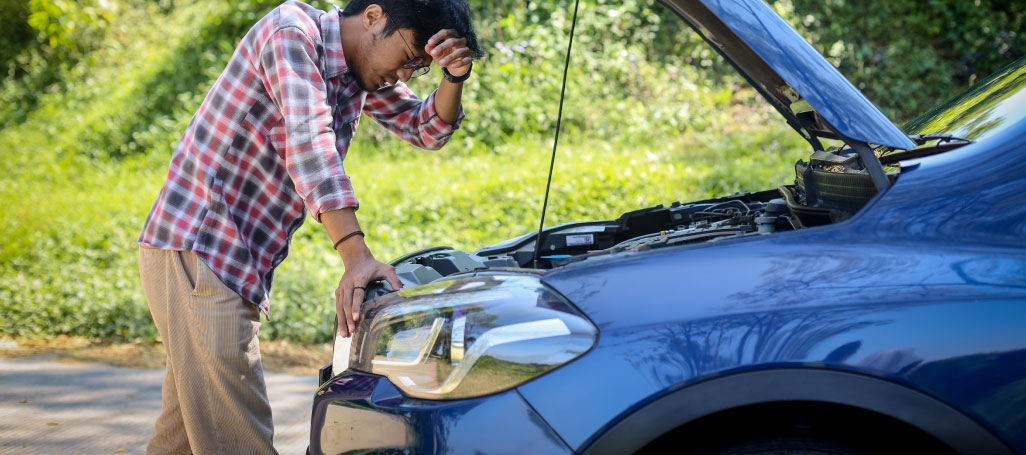
As amber and yellow heat health alerts come into force across England and temperatures are forecast to climb as high as 33°C, drivers are being warned that hot weather can quietly damage everything from tyres and batteries to paintwork and interiors.
While many motorists associate vehicle trouble with winter, high temperatures can be just as punishing on cars. During previous heatwaves, RAC data shows breakdowns increased by around 20% when temperatures exceed 30°C, highlighting the added strain hot weather can place on vehicles.
With breakdown callouts often costing between £100-£150, and heat-related repairs quickly reaching £1,000 or more, ignoring early warning signs can quickly turn a minor issue into a costly repair.
Here's the most common ways heat can affect your car, the signs to watch for, and the simple steps drivers can take to reduce the risk of summer breakdowns and costly damage.
1. Engine overheating warning signs ⚠️
Hot weather puts extra strain on your car's cooling system, so if coolant levels are low or there is already a weakness in the radiator, hoses or fan, rising temperatures can quickly push the engine into overheating. That risk is even higher if you're stuck in traffic or doing a long journey with the air con running.
Left unchecked, overheating can lead to repair bills ranging from a few hundred pounds to £1,000 or more in severe cases. Drivers should keep an eye on the temperature gauge and never ignore warning lights, steam from under the bonnet, or a sweet smell inside or around the car, as these can all point to coolant issues. The safest way to reduce the risk is to check your coolant level regularly, keep up with servicing, and pull over as soon as it is safe to do so if the car starts overheating rather than trying to carry on driving.
2. Tyre pressure risks in hot weather
Heat causes the air inside your tyres to expand, which means hot weather can make existing tyre issues worse very quickly. If a tyre is already underinflated, worn, cracked or damaged, the extra heat from both the weather and the road surface can increase the risk of a puncture or even a blowout. Drivers should look out for tyres that appear softer than usual, uneven wear, cracks in the sidewall, or a car that no longer feels as stable on the road.
A tyre blowout could cost £80-£250 per tyre. One of the best habits in hot weather is checking tyre pressures when the tyres are cold and making sure they match the manufacturer's recommendation, especially before a motorway journey or a car packed for a weekend away.
3. Battery trouble warning signs in the heat 🪫
A lot of people think battery problems are mostly a winter issue, but extreme heat can be just as damaging. High temperatures can speed up wear inside the battery and cause battery fluid to evaporate more quickly, which can shorten its lifespan and make failure more likely. If your car is slow to start, electrical features seem weaker than usual, or dashboard lights appear dim, it could be a sign the battery is struggling.
Replacing a failed battery can typically cost between £120 and £300, depending on the vehicle. If the battery is already a few years old, it's worth getting it tested before a long journey, and drivers should avoid putting unnecessary strain on it by leaving devices plugged in when the engine is off.
4. Hot car interior risks drivers often overlook 🥵
When a car is parked in direct sun, the temperature inside can rise very quickly, and that can create more risks than many drivers realise. Electronics, medication, aerosol cans and plastic bottles can all be affected by extreme heat, while steering wheels, metal seatbelt buckles, leather seats and child seat fittings can also become painfully hot to touch.
If the inside of the car feels stifling as soon as you open the door, that is a sign the temperature has already climbed to an unsafe level. Drivers should remove heat sensitive items where possible, use a sunshade, park in the shade, open the doors briefly to let heat escape, and always check hot surfaces before touching them or strapping a child into their seat.
5. Glare, grime, and sun damage affecting visibility 👀
In summer, it's not just mechanical issues drivers need to think about. Strong glare, dust, pollen, bird mess, and streaks on the windscreen can all affect visibility, especially during early morning or late afternoon journeys when the sun is low. At the same time, repeated exposure to strong sun and heat can also take a toll on paintwork, rubber seals, dashboards and upholstery over time.
A simple but important habit in hot weather is keeping screenwash topped up, cleaning both the inside and outside of the windscreen, and removing pollen, bird droppings, and other debris before they dry out. Washing the car regularly and parking in the shade or using a windscreen cover where possible can also help limit longer-term heat and sun damage.
6. Air con warning signs 🆒
If your air conditioning is blowing warm air, taking a long time to cool the car down, or has a weak airflow, it may be a sign that the system needs attention. Drivers often think of air con as a comfort feature, but in very hot weather it also plays an important role in helping you stay alert and comfortable behind the wheel. If the car gets too hot inside, fatigue and distraction can set in much more quickly.
If left unresolved, air conditioning faults can rack up £200-£500 bills, depending on the issue. Getting the system checked before peak summer travel, parking out of direct sun where possible, and ventilating the car before driving off can all help keep temperatures more manageable.
7. How long journeys in the heat strain your car
Coolant tends to get the most attention during hot weather, but it's not the only thing drivers should be aware of. Higher temperatures, long journeys, heavy traffic, and extra air con use can all put more strain on the vehicle, while low fluid levels or small leaks can become bigger problems more quickly. If you notice warning lights, unusual smells, smoke, fresh patches underneath the car, or your fuel dropping faster than expected in traffic, it's worth getting the vehicle checked sooner rather than later.
Before setting off in very hot weather, especially for a longer drive, make sure key fluids are at the right level, plan ahead for delays, keep an eye on fuel levels, and avoid leaving the engine running for longer than needed when stationary. Catching a small issue early is often the difference between a quick fix and a breakdown at the side of the road.
Sources
You may also like...


Jonathan | Sep 2026
Rear-facing vs forward-facing car seats: when should children make the switch?


Jonathan | Sep 2026
Seven everyday driving habits that could land motorists with fines of up to £1,000
Jonathan | Sep 2026
Rear-facing vs forward-facing car seats: when should children make the switch?
Jonathan | Sep 2026