
Cars can double to 60°C in 10 minutes in current heatwave, deadly for children and dogs, experts warn
With heat health alerts in place across the UK, experts warn there is no 'safe' temperature to leave a child or pet in a car, even for a short stop.
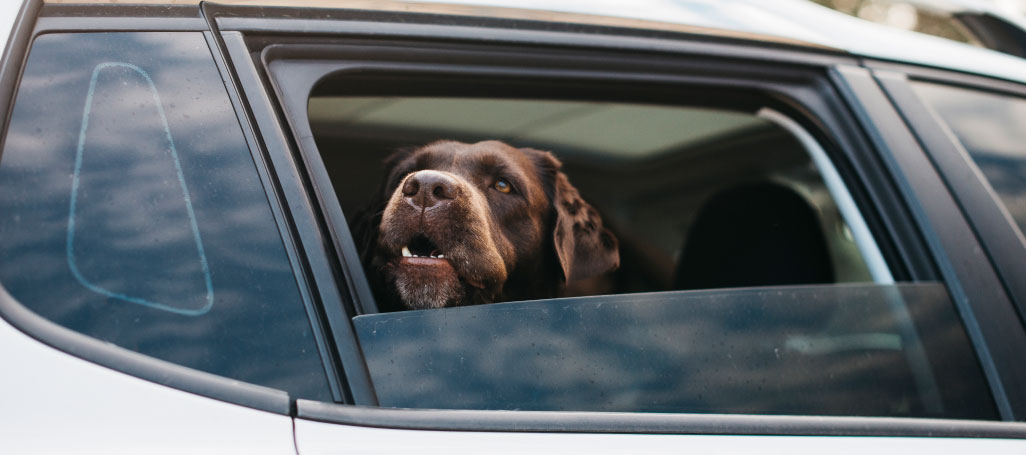
As temperatures exceed 30°C across the UK, experts are warning that cars can act like greenhouses in hot weather, with interior temperatures doubling to exceed 60°C in minutes - creating life-threatening conditions for children and pets left in cars in under 10 minutes.
The dangers have recently gone viral on social media, after a described a baby being left in a hot car during warm weather, prompting renewed concerns and calls for greater awareness among drivers.
Similarly, the RSPCA alone handles around 6,000 calls a year about dogs left in cars, with owners facing fines of up to £20,000 or even a prison sentence in serious cases.
While some drivers assume cracked windows, shade or a quick stop make it safe enough, heat can still build quickly. Babies, young children, and pets are especially vulnerable as they can overheat far faster than adults and may not be able to communicate distress or get themselves out of danger.
We share the warning signs to look out for, the common misconceptions that can put lives at risk, and what drivers should do instead during hot weather.
1. Why 'just five minutes' can still be far too long ⏱️
One of the biggest mistakes drivers make is assuming a short stop is harmless. In reality, the inside of a parked car can heat up very quickly, even when the temperature outside does not feel extreme, and that means a quick dash into a shop or to pay for fuel can still become dangerous. Babies, young children and pets have far less ability to regulate their body temperature in these conditions, so they can get into difficulty much faster than adults realise.
Cracking a window or parking in partial shade is not a safety measure people should rely on. If you cannot take them with you when you leave the vehicle, the safest option is not to leave them in the car at all.
2. The signs that a child or pet may already be in distress ⚠️
If a child looks flushed, unusually sleepy, confused, distressed or unresponsive, that should always be treated seriously. With pets, warning signs can include heavy panting, drooling, restlessness, vomiting, weakness or collapse. By the time these signs are obvious, the situation may already be urgent.
In hot conditions, a quiet child or pet should never be taken as a sign that everything is fine. Silence can sometimes be just as concerning as visible distress, particularly in babies, toddlers and animals that cannot explain how unwell they feel.
3. There can be serious welfare and legal consequences too 🚓
Leaving a child or pet in a hot car can have very serious consequences, even if it was only intended to be for a short time. If a child is put at risk, it may be treated as a safeguarding issue, and if an animal suffers unnecessarily, owners may face action under animal welfare law.
From a driver's point of view, it should never be seen as a harmless convenience. If there is any doubt at all, the safest approach is to avoid leaving them in the vehicle in the first place.
4. Safer alternatives drivers should plan for in hot weather ✅
The safest habit is planning ahead so you are not put in a position where leaving someone in the car feels tempting. That might mean travelling with another adult who can stay with the baby or pet, using drive through or pay-at-pump options where available, or simply leaving pets at home if you know you will need to stop somewhere they cannot go.
In a heatwave, drivers should be thinking about shade, ventilation, drinking water, and journey timing before they even set off. A little planning can remove the pressure to make a dangerous decision later.
5. What to do if you see a pet in distress in a hot car 🐶
If you see a dog or another pet in a hot car and the animal looks distressed, treat it as urgent. Signs such as excessive panting, drooling, vomiting, collapse or obvious distress should not be ignored. The advice from animal welfare organisations is to call 999 in an emergency if an animal is in danger, as time matters.
People often want to help straight away, but the key thing is acting quickly and responsibly. If emergency services are contacted, make sure you note the car's location, registration and the animal's condition so the situation can be assessed as fast as possible.
Hot weather can turn an ordinary situation into a dangerous one very quickly. A small change in routine or a quick stop can feel harmless at the time, but planning ahead and taking a cautious approach can help prevent serious situations.
Sources
You may also like...


Jonathan | Sep 2026
Rear-facing vs forward-facing car seats: when should children make the switch?


Jonathan | Sep 2026
Seven everyday driving habits that could land motorists with fines of up to £1,000
Jonathan | Sep 2026
Rear-facing vs forward-facing car seats: when should children make the switch?
Jonathan | Sep 2026