
What can I do if someone blocks my drive with their car?
What can you do if someone blocks your driveway or parks on it without permission? Learn your rights, the legal rules, and practical steps to resolve disputes calmly.
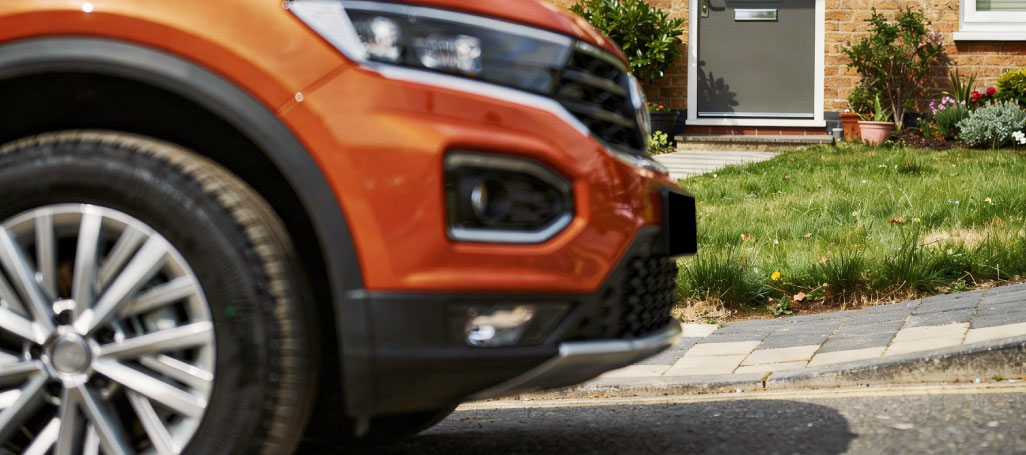
Dealing with driveway parking disputes
Has anyone ever blocked your drive with their car, or parked on your driveway without permission? With limited parking spaces in residential areas, it's becoming more and more common for this to happen - much to the annoyance of homeowners! While it can feel personal when this happens to you, the rules around what you can and can't do aren't always understood by drivers.
If someone blocks your driveway
Having your driveway blocked can be incredibly disruptive, especially if you rely on your car for commuting, school runs, or work. What many drivers don't realise is that even if there are no yellow lines present, blocking access to a property can still be considered an obstruction if the vehicle is preventing access to a public road.
In the first instance, it's always worth trying to locate the driver calmly. Checking with neighbours or nearby houses can often resolve the issue quickly without it escalating. In many cases, the driver may simply be unaware they're causing an obstruction.
If that's not successful, you can contact your local council to see whether enforcement applies in your area. Where there is a dropped kerb, councils often have clearer powers to issue a penalty notice. If you're completely blocked in and need urgent access, contacting the police on a non-emergency number (101) may also be appropriate.
What's important is avoiding taking matters into your own hands. Clamping, damaging the vehicle, or deliberately blocking it in could land you on the wrong side of the law and potentially invalidate your own insurance. However frustrating the situation, it's always better to go through the proper procedures.
If someone parks on your driveway
It surprises many homeowners to learn that if someone parks on your driveway without permission, it's usually considered a civil matter than automatically a police issue. That means you can't legally clamp or tow the vehicle away yourself.
As frustrating as it is, the safest approach is again to try and identify the driver and resolve it amicably. Escalating the situation can quickly become costly, particularly if vehicles are damaged in the process.
If this becomes a repeated issue, you may need to seek legal advice, but prevention is often the most effective solution.
Preventing driveway parking problems
There are some simple steps homeowners can take to reduce the risk of driveway disputes happening in the first place.
Clearly marking your driveway with visible signage such as 'Private Driveway - No Parking' can act as a strong deterrent. Keeping access points clear and well defined, repainting faded dropped kerbs where permitted, or installing driveaway markings can also help remove any ambiguity.
In areas where parking is particularly pressured, open conversations with neighbours can make a big difference. Many disputes arise from misunderstanding rather than deliberate obstruction.
For many households, a vehicle isn't just a convenience, it's a significant financial commitment. Disputes that escalate into damage, insurance claims, or legal costs can quickly become expensive and stressful. Taking a calm, informed approach and putting preventative measures in place helps protect not only access to your property, but also the value of your vehicle and your wider financial commitments.
You may also like...

Jonathan | Sep 2026
Rear-facing vs forward-facing car seats: when should children make the switch?
Jonathan | Sep 2026
Seven everyday driving habits that could land motorists with fines of up to £1,000
Jonathan | Sep 2026
Rear-facing vs forward-facing car seats: when should children make the switch?
Jonathan | Sep 2026